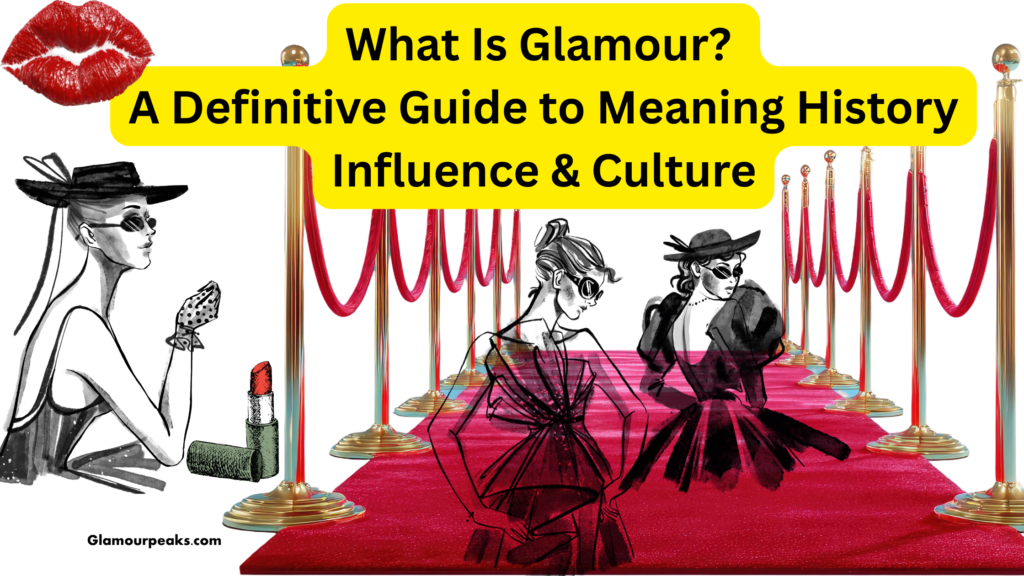
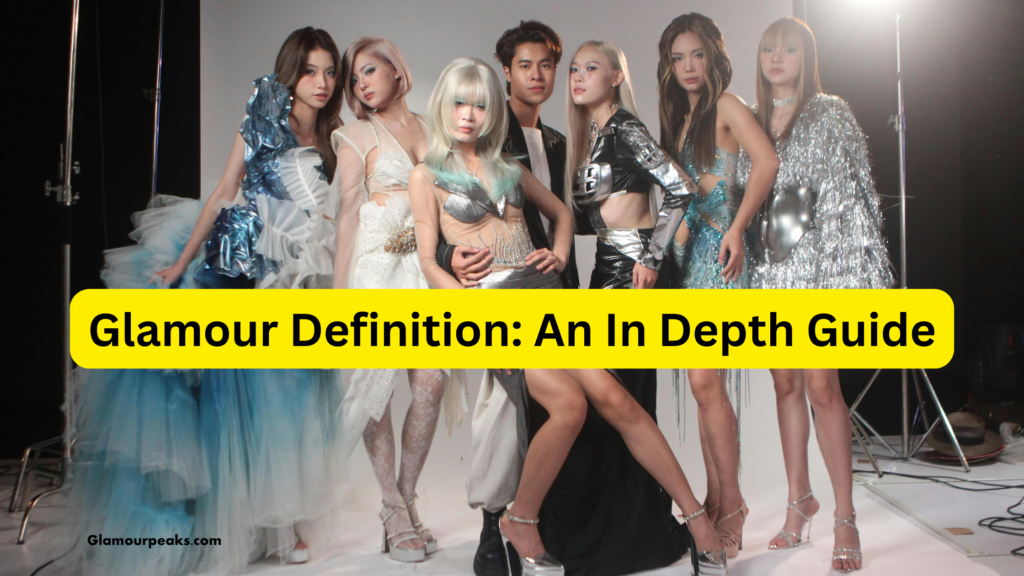
What Is Glamour? A Complete Guide to Its Meaning Origins Cultural Impact & Style
Glamour is a concept that has shaped how we think about beauty fashion celebrity and aspiration for centuries. Whether we associate it with Hollywood stars luxurious dresses captivating personalities or the idea of enchantment itself glamour goes beyond simple aesthetics — it an experience that blends allure fascination perception and cultural meaning
In this in-depth guide well explore:
- What glamour truly means
- Its historic origins
- How glamour functions in culture fashion and media
- Different dimensions and aesthetics of glamour
- How glamour shapes identity and style
1. The Essence: What Is Glamour?
At its most basic glamour refers to the quality of being fascinating alluring or captivating. Its the kind of attraction that holds attention and evokes admiration — not merely because something is pretty but because it transcends the ordinary and creates a sense of excitement or wonder.This meaning applies to:
- A person their presence or appearance
- A place Paris New York a glittering palace
- An event red carpet gala celebration
- Even a lifestyle or product
In cultural terms glamour always contains an element of intensified reality: it makes things seem slightly more impressive or desirable than they are.
2. The Words Origins: Magic Illusion & Language
Interestingly the word “glamour” wasnt always tied to beauty or fashion. Its earliest meaning was closer to a spell or magical illusion — something that altered perception
From Grammar to Enchantment
- The term originated in Scots English evolving from the word grammar — whichinmedieval times referred not just to language but to learning and mysterious knowledge. Scholars were sometimes thought to practice the arcane arts and the meaning extended into magic and enchantment.
- By the 19th century gothic writers and poets began to use glamour to describe something that cast an illusion or seductive spell: a perception-altering charm that made things appear more beautiful or desirable than they truly wereThis historic link between illusion and allure still underlies the modern concept of glamour: something that is captivating precisely because it idealizes reality
3. Glamour in Culture & Presentation
In cultural studies glamour isnt just about beauty — its about how an appearance creates an impression of fascination or attraction. This could apply to:
- A luxurious outfit
- A celebrity persona
- A cityscape at night
- A luxury brand product
What unites these is that they produce a sense of enhanced reality where something ordinary appears elevated alluring and sometimes aspirational
The Hollywood Star System
The classic example of cultural glamour is Hollywood glamour: studios in the early 20th century cultivated the images of actors and actresses to project an idealized almost mythic version of beauty and styleThink of iconic figures like Marilyn Monroe or Audrey Hepburn — personalities whose looks and personas became synonymous with glamour itself.
But glamour isnt limited to celebrity — it also shapes how products places and even lifestyles are marketed and consumed.
4. Glamour vs. Beauty Elegance & Luxury
Its important to understand that glamour is distinct from but related to other concepts:
| Concept | Definition |
| Beauty | Natural or inherent attractiveness |
| Elegance | Refined grace and simplicity |
| Luxury | Opulence and high status |
| Glamour | An intensified captivating perception of beauty or allure that often involves presentation and cultural meaning |
For example a luxury brand item may be expensive but it only becomes glamorous when it carries a narrative of allure desirability or cultural association
Similarly beauty can be simple or understated but glamour implies something heightened deliberately curated and emotionally engaging — often with a hint of mystique or aspiration.
5. How Glamour Influences Fashion & Style
In fashion glamour often refers to a particular aesthetic that expresses elegance luxury and allure. According to style guides a glamorous style is:
- Emphasis on silhouettes that enhance the figure
- Rich fabrics like satin silk velvet
- Decorative elements like sequins metallics or luxurious textures
- Bold color palettes and expressive accessories
This glamour style is about presence and confidence through refined appearance. Notably glamorous fashion doesnt always have to be ostentatious — even subtle elegance paired with confidence can read as glamorous
6. The Psychology of Glamour: Desire & Aspiration
Glamour works because it speaks to human desire. It creates:
- A sense of longing
- A perception of possibility
- Emotional engagement
Glamour often idealizes reality and presents something as better than ordinary life. That is why glamorous images — whether in magazines films or advertisements — evoke a response: they tap into dreams of beauty success and self-transformation. This psychological dimension makes glamour a powerful cultural force — not just a style but a narrative engine in storytelling fashion marketing and medi
7. Different Dimensions & Types of Glamour
Glamour isnt singular — it manifests differently depending on context:
Classic Glamour
Often tied to old Hollywood or vintage couture — think elegant gowns red lips and refined poses.
Modern Glamour
Contemporary fashion blends old glam with minimalist or sophisticated sensibility — sometimes subtle sometimes bold.
Cultural Glamour
Glamour varies by culture and time: whats glamorous in 2026 fashion trends isnt the same as 1950s film stars yet the core idea — intensified allure — is consistent.
Personal Glamour
Some people bring glamour through attitude confidence poise and presence as much as apparel or appearancThese distinctions show that glamour is more than a visual style — its a mode of presentation and perception
8. Glamour in Media Branding & Celebrity
From classic cinema to modern fashion influencers glamour plays a central role in media:
- Magazine spreads often depict glamorous lifestyles that evoke desire
- Advertising uses glamour to make products feel aspirational
- Celebrity culture thrives on glamour narratives about beauty success and persona
This pervasive role in media reinforces glamours connection not just to fashion but to cultural imagination and consumer aspirations.
9. Common Misconceptions about Glamour
1. Glamour is just about appearance
No — while appearance is important true glamour involves narrative context and perception.
2. Glamour is superficial
Glamour can reflect deep cultural ideas including narratives of aspiration mythology and symbolism.
3. Only wealthy people can be glamorous
Not necessarily. Glamour isnt only about money — its about presentation atmosphere and the idea of allure.
10. Why Glamour Matters Today
In 2025 and beyond glamour continues to evolve but remains a vital concept because it:
✔ Shpes fashion media and branding
✔ Influences social perception and desirability
✔ Blends cultural meaning with aesthetics
✔ Helps individuals express identity and confidence
Whether youre interested in fashion history cultural studies or personal style understanding glamour offers insight into how humans create meaning and inspiration through appearance and narrative.
Conclusion: The Allure of Glamour
Glamour is not just beauty style or luxury — its the intensification of reality into something captivating and desirable. It has magical roots powerful cultural influence and a rich role in fashion and media. From early folklore to Hollywood icons and modern aesthetics glamour continues to shape how we view ourselves and the world
If youd like I can help you add SEO-optimized headings meta descriptions and an FAQ section with schema markup to further boost Google ranking. Just let me know!