Henna Design the ultimate guide to mehndi style
Henna design, also known as mehndi, is more than just body art—it is a timeless cultural tradition, a fashion statement, and a growing global beauty trend. Whether used for weddings, festivals, or casual self-expression, henna designs continue to evolve while preserving their deep-rooted heritage.
This long-form guide covers everything you need to know about henna design, including history, styles, meanings, trends, and expert tips—helping your content rank higher on Google by targeting the full topic cluster.
What is Henna Design Mehndi?
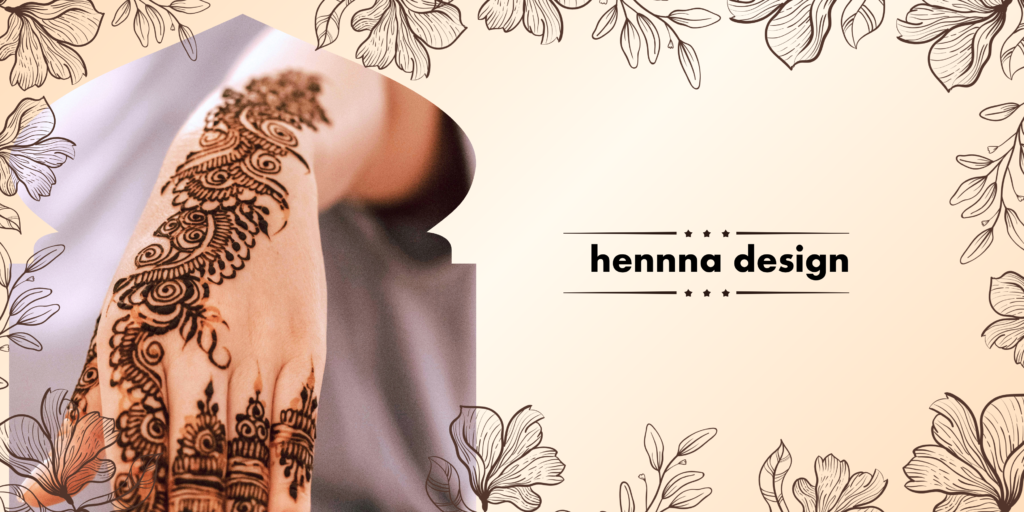
Henna design refers to intricate patterns applied to the skin using a paste made from the powdered leaves of the henna plant Lawsonia inermis. These designs temporarily stain the skin in shades of orange, red, or brown. Commonly applied on hands and feet, mehndi is widely practiced in South Asia, the Middle East, and Africa, and is now popular worldwide as a temporary tattoo alternative.
History of Henna Design
Henna art dates back over 4,000–5,000 years, with origins in ancient Egypt, the Middle East, and South Asia.
Key Historical Highlights:
- Used in ancient civilizations for cooling the body and medicinal purposes
- Became a decorative art form in Arab, Indian, and African cultures
- Spread globally through trade and cultural exchange
- Became a major part of wedding rituals and celebrations
Today, henna bridges tradition and modern beauty trends.
Cultural Significance of Mehndi
Henna designs hold deep symbolic meaning across cultures:
In Weddings
- Represents love, prosperity, and happiness
- Darker color symbolizes stronger bond between couples
- Integral part of pre-wedding ceremonies Mehndi night In Festiv
- Used during Eid, Diwali, Karva Chauth, and Teej
- Symbolizes joy, celebration, and blessings
In Modern Culture
- A form of self-expression and identity
- Popular in fashion, social media, and global beauty industries
Types of Henna Designs Complete Style Guide
Understanding different henna styles helps target SEO keywords and user intent.
-
Indian Henna Designs
- Intricate, detailed, and dense patterns
- Includes peacocks, paisleys, mandalas
- Covers full hands and feet
-
Arabic Henna Designs
- Bold, flowing floral patterns
- More spacing negative space
- Quick and elegant
-
Pakistani Henna Designs
- Fusion of Indian and Arabic styles
- Balanced detailing with modern touches
-
Moroccan Henna Designs
- Geometric and tribal patterns
- Symmetry and bold lines
-
Western / Modern Henna
- Minimalist and tattoo-inspired
- Used for casual wear and events
Popular Henna Design Patterns & Meanings
Henna designs are not random—they carry symbolic meanings:
- Paisley Mango shape → Fertility & luck
- Mandala → Spirituality & eternity
- Flowers → Joy & beauty
- Peacock → Love & elegance
Latest Henna Design Trends 2025–2026
Henna trends are evolving rapidly due to social media and modern aesthetics.
-
Minimalist Henna
- Clean, simple designs
- Popular among Gen Z and working women
-
Bridal Storytelling Mehndi
- Includes names, wedding dates, and love stories
- Personalized designs are trending
-
Arabic Fusion Designs
- Mix of bold and intricate elements
-
Glitter & White Henna
- Decorative, non-traditional styles
- Used for parties and photoshoots
5. Negative Space Designs
- Skin gaps create modern contrast
-
Sole Mehndi Trend
- Designs on the bottom of feet gaining popularity
Occasions for Henna Designs
Henna is used in various events and celebrations:
Bridal Henna
- Full-hand, detailed designs
- Symbolic storytelling
Eid Mehndi
- Simple, elegant, and quick designs
- Crescent moon chand patterns trending Party & Casual Henna
- Minimalist or tattoo-style
- Trendy and fast application
Kids Mehndi
- Cute and simple patterns
Step-by-Step Henna Application Process
- Prepare henna paste using natural powder
- Fill cone or applicator
- Draw design on clean skin
- Let it dry 15–30 minutes
- Leave for several hours for deeper stain
- Avoid water initially for best results
Henna darkens over 24–72 hours and lasts 1–3 weeks
Tips to Get Dark Henna Color
- Apply lemon-sugar mixture
- Keep henna overnight
- Avoid water for 12 hours
- Use natural henna avoid chemicals like PPD
- Keep hands warm
Why Henna Design is Trending Globally
Henna has transformed from a cultural ritual into a global fashion trend:
- Safe alternative to permanent tattoos
- Strong presence on Instagram & Pinterest
- Celebrity and influencer influence
- Blend of tradition + modern aesthetics Conclusion
Henna design is a beautiful blend of tradition, art, and modern creativity. From intricate bridal mehndi to minimalist contemporary styles, it continues to evolve while maintaining its cultural roots.
Whether you’re a bride, a designer, or someone exploring body art, henna offers endless possibilities for creativity and expression.