Glamour Fashion: The Complete Guide to Style Trends and Timeless Elegance
Introduction: What Is Glamour Fashion?
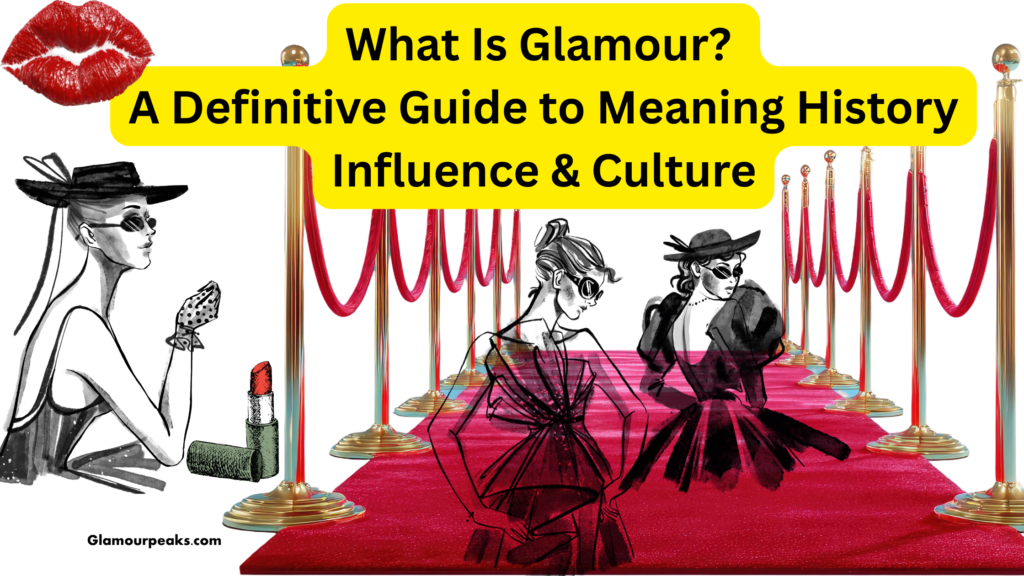
At its core glamour fashion is a style of clothing and presentation aimed at maximizing visual allure sophistication and emotional impact. Unlike purely functional or casual dress glamour is about making an impression — through luxurious fabrics refined styling dramatic silhouettes and confident presence. The word glamour itself historically implied an almost magical transformation of appearance an aesthetic that evokes fascination and allure rather than pure utility.
This article explores glamour fashion from its origins and philosophy to modern trends practical outfit ideas and how you can cultivate your own glamorous wardrobe.
The Origins & Philosophy of Glamour Fashion
Glamour in Aesthetic History
The term glamour originally referred to a magical spell or enchantment — something that altered perception and created the illusion of brightness and allure. Over time especially through Hollywood’s golden age this term migrated into the world of style and fashion coming to represent an elevated polished and aspirational look.
Hollywood’s Golden Age & Glamour’s Rise
The early 20th century particularly from the 1930s to the 1950s saw cinema legends like Marilyn Monroe Audrey Hepburn Grace Kelly and Elizabeth Taylor define glamour fashion with elegant gowns dramatic makeup and iconic red carpet silhouettes — laying the foundation for glamour as we understand it today.
These icons embodied a style that wasn’t just about fashion — it was about confidence attitude and presence.
Core Elements of Glamour Fashion
1. Luxurious Materials
Glamour traditionally leans on premium or visually rich fabrics:
- Satin silk and velvet
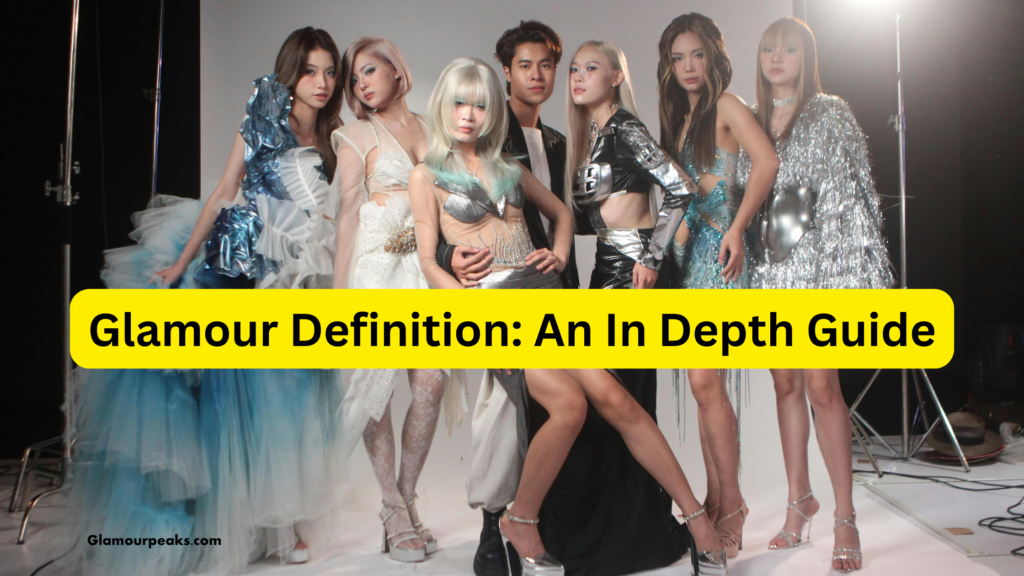
- Sequins crystal embellishments and metallic threads
- Fur or fur-like textures real or faux
These materials catch the eye and elevate even simple silhouettes.
2. Rich Color Palettes
Glamour often features:
- Deep jewel tones emerald ruby sapphire
- Metallics and shimmering neutrals
- Classic black and white combinations
These hues lend depth and visual richness.
3. Dramatic Silhouettes & Tailoring
Whether structured tailoring or flowing evening gowns glamorous fashion isn’t shy:
- Fitted bodices and hourglass shapes
- Floor-length dresses
- High ceilings of sequins or lace overlays
These elements create drama and visual fluidity.
4. Statement Accessories
Accessories complete the glamour look:
- Bold jewelry and jewels
- Heels and classic pumps
- Elegant scarves and evening gloves
Attention to detail — from accessories to grooming — is essential to the glamour aesthetic.
Glamour Throughout Fashion Eras
Old Hollywood Glamour 1930s–1960s
This era defined glamour with elegant suits tailored gowns and impeccable hairstyling — a look that has endured on red carpets and formal events ever since.
Disco & ’70s Glam
Sequins wrap dresses and bold textures marked the 1970s with a more flamboyant kind of glamour that celebrated night life and movement.
’80s Power Glam
Shoulder pads bold silhouettes and high-impact accessories translated glamour into corporate and street wear — think sharp tailoring infused with self-confidence.
Modern Revival & Retro Inspiration
From retro glamour looks inspired by vintage fashion to contemporary takes that reimagine classic motifs glamour adapts and evolves. Designers and style icons today draw from historical aesthetics while injecting modern sensibilities.
Glamour Fashion in Today’s Trends
Glamour isn’t confined to red carpets — today it also appears in everyday style through fashion media runway reports and seasonal trends.
2026 & Beyond: What’s Trending
Current fashion trends often include:
- Bold silhouettes and decadence inspired by ’80s glamour and maximalism — oversized suits and statement coats.
- Nostalgic prints and vintage influences such as granny prints and classic denim interpretations.
- Accessory revival from headbands to jewelry that reflect classic chic.
These trends show that glamour fashion isn’t static — it is continuously renewed by designers influencers and cultural contexts.
Building a Glamour Wardrobe: Practical Tips
Whether you want glamour for gala events or to elevate your everyday style these practical strategies help you cultivate a glamorous look:
1. Invest in Key Pieces
Start with foundational apparel:
- Little black dress LBD — a classic staple.
- Tailored blazers or trousers
- Statement skirts and gowns
These pieces act as cornerstones for glamorous ensembles.
2. Focus on Quality Over Quantity
Glamour is synonymous with quality. Opt for garments with clean tailoring and premium fabrics that flatter your body.
3. Master Dressing for Occasion
- Formal Events: Long gowns satin accessories and elegant heels
- Semi-Formal: Tailored jumpsuits or cocktail dresses
- Everyday Glam: Minimalist accessories with luxury basics like silk tops or leather jackets
4. Accessorize Strategically
Accessories can make or break a glamorous outfit:
- Bold earrings or necklaces
- Clutches or small structured bags
- Elegant scarves or belts
These details elevate the entire look.
The Cultural Impact of Glamour Fashion
Beyond style glamour carries cultural weight:
- It represents aspiration confidence and identity
- Past icons shaped societal perceptions of beauty and elegance
- Today’s glamour often intersects with sustainability inclusivity and personal expression
Fashion editors and outlets like Glamour magazine continue to spotlight trends and define glamour through accessible aspirational reporting influencing mainstream style globally.
Conclusion: Why Glamour Fashion Endures
Glamour fashion endures because it combines history aesthetics emotion and personal expression. Whether drawn from Hollywood’s golden years or reinterpreted through contemporary lenses glamour is both a look and a feeling — an embodiment of confidence elegance and intentional presentation that transcends fleeting trends.