
-
How to Choose the Perfect Lipstick Shade for Your Skin Tone
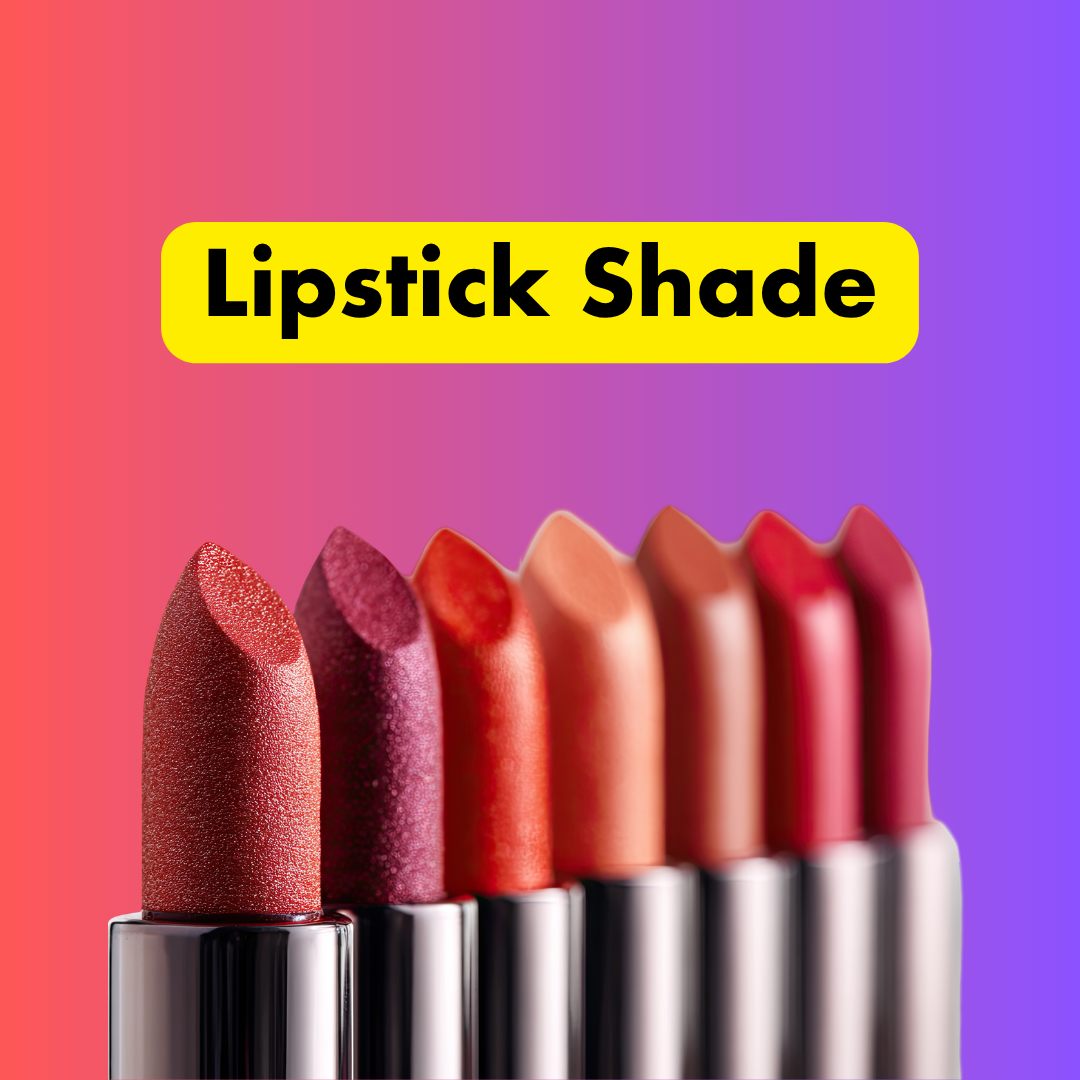
- Choosing the right lipstick shade is not just about trends it’s about understanding your skin tone undertone and colour harmony. The wrong shade can make your complexion look dull while the right one can instantly brighten your face and elevate your entire look This comprehensive guide covers everything you need to know about lipstick shades by skin tone along with a full topic cluster strategy to help this article rank higher on Google.
What Determines the Perfect Lipstick Shade?
Before diving into shades you need to understand two key factors:
-
Skin Tone Surface Colour
Your skin tone refers to how light or deep your complexion is:
- Fair
- Light
- Medium wheatish/olive
- Tan
- Deep/Dark
-
2. Undertone Hidden Hue
Undertones stay constant and fall into three categories:
- Warm yellow/golden
- Cool pink/blue
- Neutral mix of both Why this matters: A mismatch between lipstick and undertone can make your look appear off or unnatural
Lipstick Shades by Skin Tone Complete Guide
-
Best Lipstick Shades for Fair Skin
Fair skin often has pink or cool undertones.
Top shades:
- Soft pink
- Peach
- Coral
- Dusty red
- Light nude
Avoid: Very dark browns can overpower your complexion
Pro tip: Blue-based reds enhance brightness on fair skin.
-
Best Lipstick Shades for Light Skin
Light skin tones can handle slightly brighter shades.
Top shades:
- Fuchsia
- Bright coral
- Rose pink
- Berry tones
These shades create contrast and prevent washed-out looks
-
Best Lipstick Shades for Medium Wheatish/Olive Skin
This is one of the most common skin tones in South Asia.
Top shades:
- Mauve
- Berry
- Cherry red
- Warm nudes
Medium tones can experiment widely making them the most versatile
-
Best Lipstick Shades for Tan Skin
Tan skin has warm undertones and richer depth.
Top shades:
- Deep pink
- Ruby red
- Wine
- Brick red
These shades enhance warmth and richness.
-
Best Lipstick Shades for Deep/Dark Skin
Deep skin tones shine with bold rich colors.
Top shades:
- Burgundy
- Plum
- Chocolate brown
- Deep red
Dark skin tones can carry highly pigmented shades beautifully.
Lipstick Shades by Undertone Critical
Cool Undertones
- Blue-based reds
- Berry
- Plum
- Mauve
Avoid orange tones
Warm Undertones
- Coral
- Peach
- Brick red
- Warm nude
Golden-based shades work best
Neutral Undertones
- Lucky you almost everything works!
- Experiment with both warm and cool shades
Lipstick Colour Families Explained
Understanding colour families improves your selection:
Reds
- Cool: Cherry red
- Warm: Orange-red
- Neutral: Classic red
Pinks
- Cool: Bubblegum pink
- Warm: Salmon/peach pink
Nudes
- Cool: Rosy beige
- Warm: Caramel nude
Each family shifts depending on undertone .
How to Choose the Right Lipstick Step-by-Step
Step 1: Identify Undertone
- Blue veins → Cool
- Green veins → Warm
- Mix → Neutral
-
Step 2: Match Shade to Tone
Pick shades that complement not clash.
Step 3: Test in Natural Light
Lighting affects how lipstick appears on your lips.
Step 4: Consider Your Natural Lip Color
Lipstick looks different depending on your base lip pigment.
Common Mistakes to Avoid
- Choosing lipstick based on trends alone
- Ignoring undertone
- Testing on hands instead of lips
- Buying shades that look good on others
Lipstick interacts with your entire face not just lips
Pro Makeup Artist Tips
- Use lip liner for definition and longevity
- Mix shades to create custom colors
- Balance bold lips with minimal eye makeup
- Match lipstick with occasion day vs night
Which lipstick shade suits all skin tones?
Classic red neutral undertone works universally.
How do I know my undertone?
Check vein colour or jewellry preference.
Can I wear any lipstick shade?
Yes but matching undertone enhances your look.
Why does lipstick look different on me?
Because of undertone lip colour and skin depth differences
Final Thoughts
Finding the perfect lipstick shade isn’t about copying trends it’s about understanding your unique skin tone and undertone. Once you know these basics you can confidently choose shades that enhance your natural beauty.